


By Robert Grillo
This article was originally published on Free from Harm
Farmers continually claim that the rest of us should visit a farm to educate ourselves about animals. But my response to farmers is that they could stand to learn a lot more about animals from sanctuaries.
Here’s why. For those of us in the sanctuary community who have witnessed firsthand and even intervened to help the unwanted victims farmers routinely dump or haul off to slaughter when no longer economically viable, it’s really the height of irony for them to condescend to us, claiming they are so wise and we are so ignorant about what animals are like and what kind of life they wish to live. In many cases, our rescue work has involved a deep level of care and treatment on the level of the individual that is simply unheard of in farming.
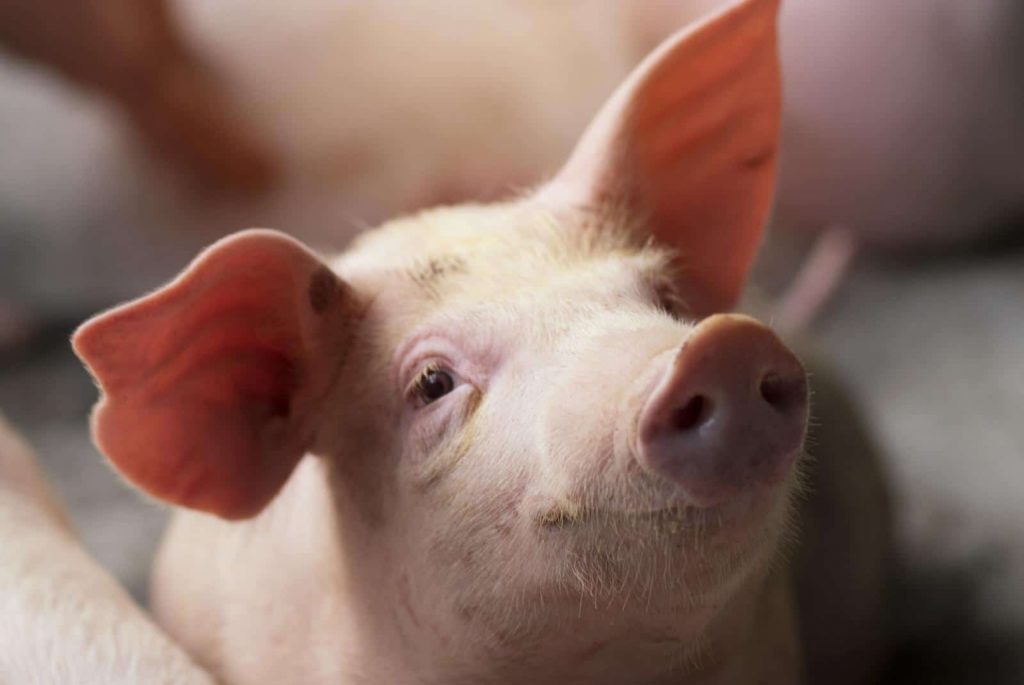
In a safe and trusting environment free of expectations on them to produce something, farmed animals quickly reveal their individual personalities.
The internet is full of stories, photos, and videos of people who have found deep companionship with their rescued farmed animals. A growing number of individual caretakers, rescuers, and sanctuaries raise chickens, turkeys, cows, and pigs and are learning a great deal from them as individuals. Those who have visited a sanctuary can attest to how fundamentally different the experience is from visiting a farm.

On a sanctuary, animals are recognized as self-aware individuals who, like human beings, have unique personalities—a complex of experiences, interests, emotions, thoughts, memories, likes, dislikes, desires, fears, friends, loves, losses, joys, and pains.
Property owners are replaced with guardians who provide a caring environment that empowers them with the confidence to more authentically express their true selves. And sanctuaries, while still imperfect, manmade environments, strive to provide their inhabitants with as natural a life as possible.
People can walk away from sanctuaries with a “breakthrough” understanding. They recognize that these individuals are vastly more expressive, and more sophisticated than their repressed counterparts on farms. They see much of themselves in these animals. They realize that the stereotypes they’ve come to believe all of their lives are based on an inherent and deeply entrenched cultural prejudice.
Visiting animals on farms, in contrast, does not produce any “breakthrough” in our understanding of animals because the objective of farms is not to provide an environment in which animals are free to express themselves or an environment where animals can be studied and better understood.
Farmers are not experts in animal behavior, and they are not even necessarily good observers of animals. In fact, many farmers deny that animals suffer under routine farming practices and a violent death.
Under the very best circumstances, farms provide an understanding of how animals subsist under completely manmade, controlled conditions, as if their fate as commodities is a foregone conclusion. As a result, most visitors to farms walk away reaffirming what they’ve already been taught, that animals don’t object to being used as resources since it’s all they know.
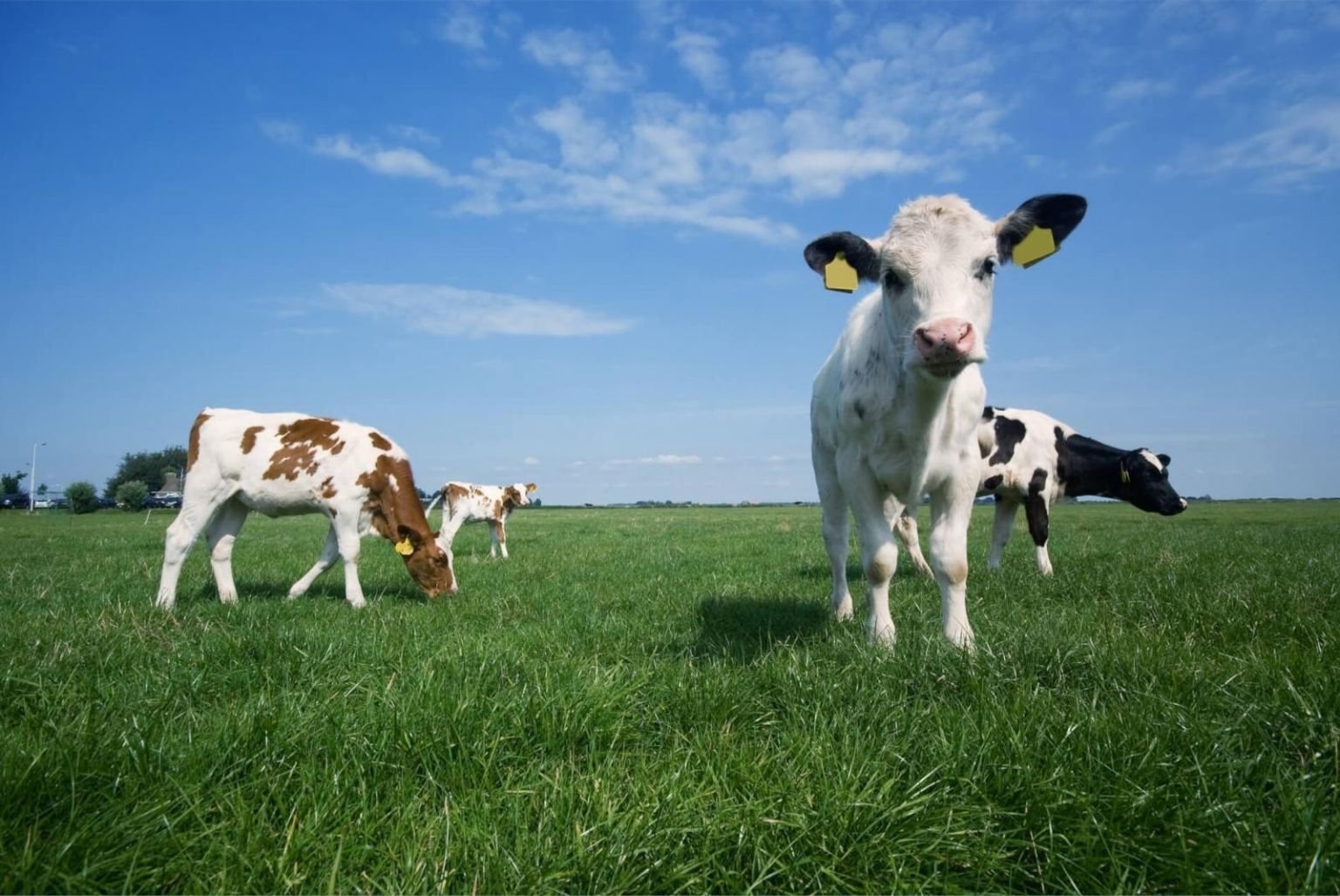
On farms, we often view meek or fearful animals from a distance or on the other side of an electrical fence, typically in herds or flocks with ear tags (numbers instead of names), and under conditions that repress their ability to express themselves as individuals.
Even farmers who claim to love their animals like family members still regard them as utility animals, as dictated by the economics of that human-property relationship.
In the words of former pig farmer and writer Bob Comis, “livestock farmers, no matter what kind — from the largest, most cynical, and inhumane factory farmers to the smallest, seemingly most ethical pasture-based farmers — traffic in death. It is death that is our aim, our purpose. Death is the end. Life is the means. Money the reward.”

On sanctuaries, individual animals often have storied lives marked by abuse or neglect. They are the survivors whose suffering would have been ignored and whose lives would have been in vain, had it not been for sanctuaries and rescuers.
Sanctuaries challenge visitors with a new paradigm for understanding animals. They present their adopted and rescued residents as they are and ask us to observe and interact with them as unique individuals, rather than by the norms, assumptions, and prejudices imposed upon their species by thousands of years of exploitation.
For sanctuaries, animals are in fact an end in themselves, rather than a means to an end.

Author Robert Grillo
Robert Grillo is an activist, author and speaker for all species. He is also the founder and director of Free from Harm, a non profit dedicated to helping end animal exploitation.
As a communications professional for over 20 years, Grillo once worked on large food industry accounts where he acquired a behind-the-scenes perspective on food branding and marketing. His book, Farm to Fable: The Fictions of Our Animal-Consuming Culture explores the powerful narratives driving our culture of mass animal consumption.

Walnut Carrot Turmeric Milk Recipe
Read More →Sugar-Free Ginger & Lemon Immune Booster Shot Recipe
Read More →Daily Routine: The Probiotic That is Created Especially For Women
Read More →Blueberry Almond Oat Milk & Overnight Oats Recipe for Your Milky Plant
Read More →Walnut Carrot Turmeric Milk Recipe
Read More →Sugar-Free Ginger & Lemon Immune Booster Shot Recipe
Read More →Daily Routine: The Probiotic That is Created Especially For Women
Read More →